Mental & Emotional Well-being: Your Path to Inner Harmony
At Vitality Compass, we believe that mental and emotional well-being are just as crucial as physical health. In today's fast-paced world, it's easy to neglect our inner selves, leading to stress, anxiety, and other challenges. This page offers insights, strategies, and resources to help you cultivate a more balanced and fulfilling life.
Understanding Mental Health
Mental health encompasses our emotional, psychological, and social well-being. It affects how we think, feel, and act. It also helps determine how we handle stress, relate to others, and make choices. Good mental health is not merely the absence of mental illness; it's a state of well-being where we can realize our abilities, cope with the normal stresses of life, work productively, and contribute to our community.
Common Mental Health Conditions
- Anxiety Disorders: Characterized by excessive worry, fear, and nervousness. Examples include generalized anxiety disorder, panic disorder, social anxiety disorder, and specific phobias.
- Depression: A mood disorder that causes persistent feelings of sadness, loss of interest, and hopelessness. It can significantly impair daily functioning.
- Bipolar Disorder: A brain disorder that causes unusual shifts in mood, energy, activity levels, concentration, and the ability to carry out day-to-day tasks.
- Obsessive-Compulsive Disorder (OCD): Characterized by persistent, intrusive thoughts (obsessions) that cause distress and repetitive behaviors (compulsions) aimed at reducing anxiety.
- Post-Traumatic Stress Disorder (PTSD): Develops after experiencing or witnessing a traumatic event. Symptoms include flashbacks, nightmares, anxiety, and hypervigilance.
- Eating Disorders: Characterized by abnormal eating patterns and a distorted body image. Examples include anorexia nervosa, bulimia nervosa, and binge-eating disorder.

Coping Strategies for Mental Well-being
Developing healthy coping strategies is essential for managing stress, building resilience, and maintaining emotional balance. Here are some evidence-based techniques you can incorporate into your daily life:
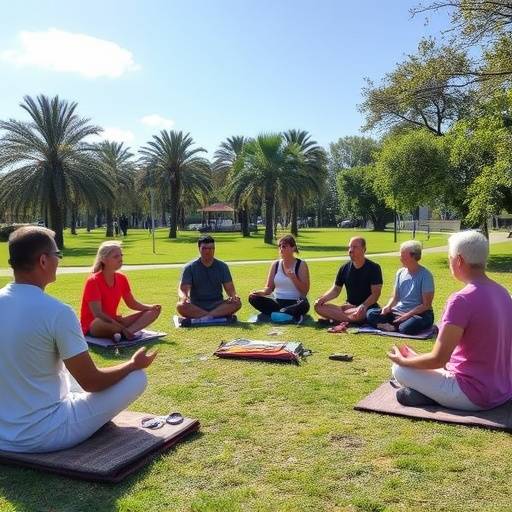
- Mindfulness Meditation: Practicing mindfulness involves paying attention to the present moment without judgment. Regular meditation can reduce stress, improve focus, and enhance emotional regulation.
- Regular Exercise: Physical activity releases endorphins, which have mood-boosting effects. Aim for at least 30 minutes of moderate-intensity exercise most days of the week. Check out our exercise page for more tips.
- Healthy Diet: Nourishing your body with a balanced diet can improve your mood and energy levels. Limit processed foods, sugary drinks, and excessive caffeine intake. Read more about nutrition on our nutrition page .
- Adequate Sleep: Sleep deprivation can exacerbate mental health symptoms. Aim for 7-9 hours of quality sleep each night. See our sleep page for sleep hygiene tips.
- Social Connection: Spending time with loved ones, engaging in social activities, and building supportive relationships can combat feelings of loneliness and isolation.
- Time Management: Prioritize tasks, set realistic goals, and break down large projects into smaller, manageable steps. Effective time management can reduce stress and increase productivity.
- Journaling: Writing down your thoughts and feelings can help you process emotions, identify patterns, and gain clarity.
- Creative Expression: Engaging in creative activities such as painting, drawing, writing, or playing music can be a therapeutic outlet for emotions.
"The greatest weapon against stress is our ability to choose one thought over another." - William James

Seeking Professional Help
It's important to remember that seeking professional help is a sign of strength, not weakness. If you're struggling with persistent mental health symptoms that are interfering with your daily life, consider reaching out to a qualified mental health professional. They can provide a diagnosis, develop a treatment plan, and offer support and guidance.
Here are some professionals who can help:
- Psychiatrists: Medical doctors who specialize in mental health. They can prescribe medication and provide therapy.
- Psychologists: Mental health professionals who provide therapy and psychological testing.
- Licensed Clinical Social Workers (LCSWs): Provide therapy and connect individuals with community resources.
- Licensed Professional Counselors (LPCs): Offer therapy and counseling services.
Resources for Mental Well-being in Seattle
Vitality Compass is committed to providing resources tailored to our community in Seattle. Here are some local organizations and services that can offer support:
-
King County Mental Health Connect:
Provides information and referrals to mental health services in King County. Phone: 206-263-9200. Website:
[Fictional Website for King County Mental Health Connect]
-
Crisis Connections:
Offers a 24-hour crisis line and online emotional support. Phone: 206-461-3222 or 866-427-4747. Website:
[Fictional Website for Crisis Connections]
-
The Seattle Counseling Service:
Provides affordable mental health services to individuals and families in Seattle. Address: 1203 E Alder St, Seattle, WA 98122. Phone: 206-323-1544. Website:
[Fictional Website for Seattle Counseling Service]
-
NAMI Seattle (National Alliance on Mental Illness):
Offers support groups, education programs, and advocacy for individuals and families affected by mental illness. Address: 1100 E Pike St #204, Seattle, WA 98122. Phone: 206-783-9262. Website:
[Fictional Website for NAMI Seattle]
Building Resilience
Resilience is the ability to bounce back from adversity, cope with stress, and adapt to change. It's not about avoiding challenges, but rather developing the skills and resources to navigate them effectively. Here are some strategies for building resilience:
- Develop a Strong Social Support Network: Surround yourself with people who care about you, offer encouragement, and provide a sense of belonging.
- Practice Self-Care: Prioritize activities that nourish your mind, body, and spirit, such as spending time in nature, listening to music, or engaging in hobbies.
- Set Realistic Goals: Break down large goals into smaller, achievable steps. Celebrate your successes along the way.
- Cultivate a Positive Outlook: Focus on the positive aspects of your life, practice gratitude, and challenge negative thoughts.
- Learn from Past Experiences: Reflect on past challenges and identify what you learned from them. Use those lessons to guide your future actions.
- Embrace Change: Accept that change is a natural part of life and develop strategies for adapting to new situations.
- Seek Help When Needed: Don't hesitate to reach out for support when you're struggling. Talking to a trusted friend, family member, or mental health professional can make a significant difference.
Vitality Compass is dedicated to empowering you to take control of your mental and emotional well-being. Remember, you are not alone, and help is always available. If you have any questions or would like to learn more, please contact us . We are here to support you on your journey to inner harmony.