The Power of Physical Activity: Unlock Your Potential
Regular physical activity is a cornerstone of a healthy and fulfilling life. It goes beyond just maintaining a healthy weight; it significantly improves your physical and mental well-being. Engaging in regular exercise can reduce your risk of chronic diseases, boost your mood, enhance your sleep quality, and increase your energy levels. At Vitality Compass, based in the heart of San Francisco, we're dedicated to guiding you on your journey to optimal health through effective and enjoyable exercise strategies.

The Multifaceted Benefits of Exercise
The advantages of incorporating regular physical activity into your routine are extensive and impactful. Let's explore some of the key benefits:
- Improved Cardiovascular Health: Exercise strengthens your heart and improves blood circulation, lowering your risk of heart disease, stroke, and high blood pressure.
- Weight Management: Physical activity helps you burn calories and build muscle, making it easier to maintain a healthy weight.
- Reduced Risk of Chronic Diseases: Regular exercise can significantly reduce your risk of developing type 2 diabetes, certain types of cancer, and osteoporosis.
- Enhanced Mental Well-being: Exercise releases endorphins, which have mood-boosting effects. It can also help reduce stress, anxiety, and symptoms of depression.
- Stronger Bones and Muscles: Weight-bearing exercises, such as walking and strength training, help build and maintain strong bones and muscles, reducing the risk of falls and injuries.
- Improved Sleep Quality: Regular physical activity can promote better sleep, helping you fall asleep faster and stay asleep longer.
- Increased Energy Levels: While it may seem counterintuitive, exercise can actually increase your energy levels by improving your cardiovascular health and reducing fatigue.
- Enhanced Cognitive Function: Studies have shown that exercise can improve cognitive function, including memory, attention, and processing speed.
Exploring Different Types of Exercise
To reap the full benefits of physical activity, it's essential to incorporate a variety of exercises into your routine. Here's an overview of the three main types of exercise:
Cardiovascular Exercise (Cardio)
Cardio, also known as aerobic exercise, involves activities that increase your heart rate and breathing. It's excellent for improving cardiovascular health, burning calories, and boosting your mood.
- Examples: Running, brisk walking, swimming, cycling, dancing, and jumping rope.
- Recommendations: Aim for at least 150 minutes of moderate-intensity cardio or 75 minutes of vigorous-intensity cardio per week.

Strength Training
Strength training, also known as resistance training, involves activities that strengthen your muscles by working against resistance. It's crucial for building muscle mass, increasing bone density, and improving overall strength and power.
- Examples: Lifting weights, using resistance bands, bodyweight exercises (such as push-ups and squats), and working with weight machines.
- Recommendations: Aim to strength train all major muscle groups (legs, hips, back, chest, abdomen, shoulders, and arms) at least two days per week.

Flexibility Exercise
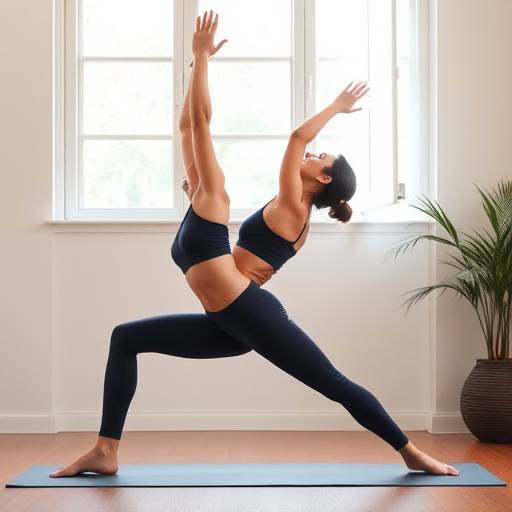
Flexibility exercises, such as stretching and yoga, help improve your range of motion and reduce your risk of injuries. They can also help relieve muscle tension and improve posture.
- Examples: Stretching, yoga, Pilates, and Tai Chi.
- Recommendations: Incorporate flexibility exercises into your routine several times per week, ideally after warming up or after completing a workout.
Creating an Exercise Plan That Works for You
Developing an effective exercise plan requires careful consideration of your individual needs, goals, and fitness level. Here are some tips to help you create a plan that works for you:
- Set Realistic Goals: Start with small, achievable goals and gradually increase the intensity and duration of your workouts as you get fitter.
- Choose Activities You Enjoy: Exercise shouldn't feel like a chore. Choose activities that you find enjoyable and that fit into your lifestyle.
- Warm Up Before Each Workout: Warm up for 5-10 minutes before each workout to prepare your muscles for activity and reduce your risk of injury. A light jog or dynamic stretches are great options.
- Cool Down After Each Workout: Cool down for 5-10 minutes after each workout to help your body recover and prevent muscle soreness. Static stretches are ideal for cooling down.
- Listen to Your Body: Pay attention to your body's signals and don't push yourself too hard, especially when you're just starting out. Rest and recover when you need to.
- Stay Hydrated: Drink plenty of water before, during, and after your workouts to stay hydrated and prevent muscle cramps. Refer to our Hydration Guide for more details.
- Be Consistent: Consistency is key to seeing results. Aim to exercise regularly, even if it's just for a short period of time.
- Seek Professional Guidance: If you're unsure where to start or have any underlying health conditions, consult with a healthcare professional or certified personal trainer. Our trainers at Vitality Compass in San Francisco can create personalized plans for you.
Exercise Safety Tips
Your safety is paramount when engaging in physical activity. Following these safety tips can help prevent injuries and ensure a positive exercise experience:
- Wear Appropriate Clothing and Footwear: Choose comfortable, breathable clothing that allows for a full range of motion. Wear supportive athletic shoes that fit well.
- Use Proper Form: Learn the proper form for each exercise to prevent injuries. If you're unsure, ask a qualified instructor or personal trainer for guidance.
- Start Slowly and Gradually Increase Intensity: Don't try to do too much too soon. Gradually increase the intensity and duration of your workouts over time.
- Be Aware of Your Surroundings: Pay attention to your surroundings when exercising outdoors, especially in areas with traffic or uneven terrain.
- Warm Up and Cool Down: Always warm up before each workout and cool down afterwards to prepare your body for and recover from exercise.
- Stay Hydrated: Drink plenty of water before, during, and after exercise.
- Listen to Your Body: Stop exercising if you experience any pain, dizziness, or shortness of breath.
- Consult with a Healthcare Professional: If you have any underlying health conditions, consult with your doctor before starting a new exercise program.
Sample Exercise Plan
Here's a sample exercise plan for beginners, designed to provide a well-rounded approach to fitness. Remember to adjust the intensity and duration based on your individual fitness level.
| Day | Activity | Duration |
|---|---|---|
| Monday | Brisk Walking | 30 minutes |
| Tuesday | Strength Training (Bodyweight exercises) | 30 minutes |
| Wednesday | Rest or Light Stretching | |
| Thursday | Cycling | 30 minutes |
| Friday | Strength Training (Resistance bands) | 30 minutes |
| Saturday | Yoga or Pilates | 45 minutes |
| Sunday | Rest or Active Recovery (Light walk) |
"The only bad workout is the one that didn't happen." - Dr. Amelia Stone, Head Fitness Instructor, Vitality Compass
Incorporating regular physical activity into your life is an investment in your health and well-being. By finding activities you enjoy, setting realistic goals, and following safety guidelines, you can unlock your potential for a healthier, happier, and more vital life. At Vitality Compass, our team of certified personal trainers, including Dr. Stone, are here to support you every step of the way. Located at 555 Market Street, San Francisco, CA, Vitality Compass can be reached at (415) 555-0100 or [email protected].
© 2026 Vitality Compass. All rights reserved.