The Vital Importance of Sleep
At Vitality Compass, based in the heart of San Francisco, we understand that quality sleep is as essential to your well-being as proper nutrition and regular exercise. Located near the serene Golden Gate Park, our mission is to guide you toward optimal health by providing practical, science-backed advice. This page delves into the world of sleep, exploring its critical role in your physical and mental health.
Understanding Sleep Cycles
Sleep isn't a monolithic state; it's a journey through several distinct cycles. Each cycle, lasting approximately 90 minutes, consists of four stages of non-rapid eye movement (NREM) sleep and one stage of rapid eye movement (REM) sleep. These stages play different roles in your body's restorative processes.
- Stage 1 NREM: This is the transition from wakefulness to sleep. It's a light sleep, and you can be easily awakened. Muscle relaxation and slowed heartbeat occur.
- Stage 2 NREM: A deeper sleep stage where body temperature drops and heart rate slows even further. Brain waves also begin to slow down.
- Stage 3 NREM: The deepest stage of sleep, also known as slow-wave sleep. It's characterized by very slow brain waves called delta waves. This stage is essential for physical recovery and immune function.
- Stage 4 NREM: Similar to stage 3, this is also a deep sleep stage where your body repairs tissues, builds bone and muscle, and strengthens the immune system. It is very difficult to wake someone during this stage.
- REM Sleep: This is when most dreaming occurs. Your brain activity increases, resembling that of wakefulness. REM sleep is important for cognitive functions like memory consolidation and learning.

The Consequences of Sleep Deprivation
Chronic sleep deprivation can have far-reaching consequences for your health. It affects everything from your mood and cognitive function to your physical health and longevity. At Vitality Compass, we want to help you avoid these pitfalls.
- Impaired Cognitive Function: Lack of sleep can lead to difficulty concentrating, making decisions, and solving problems.
- Mood Disturbances: Sleep deprivation is linked to increased irritability, anxiety, and depression.
- Weakened Immune System: Insufficient sleep impairs the immune system's ability to fight off infections.
- Increased Risk of Chronic Diseases: Studies show a link between chronic sleep deprivation and an increased risk of heart disease, diabetes, and obesity.
- Reduced Physical Performance: Sleep is crucial for muscle recovery and repair, so lack of sleep can hinder athletic performance.
Common Sleep Disorders
Several sleep disorders can disrupt your sleep and negatively impact your health. Recognizing the signs and seeking appropriate treatment is crucial for managing these conditions. Vitality Compass can provide you with resources and guidance to find the right support.
- Insomnia: Difficulty falling asleep, staying asleep, or waking up too early. Dr. Eleanor Vance, our sleep specialist, notes, "Insomnia is often linked to stress, anxiety, or poor sleep habits."
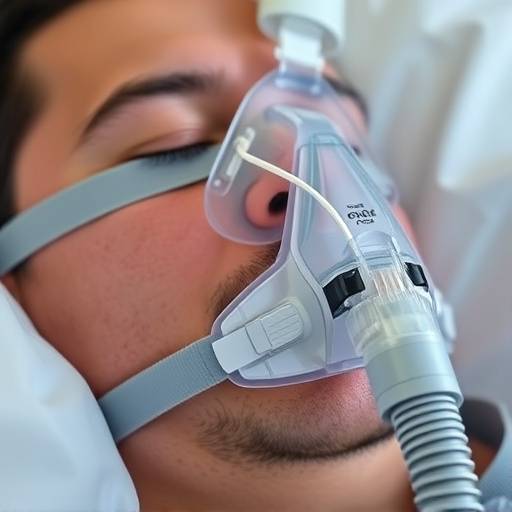
- Sleep Apnea: A condition characterized by pauses in breathing during sleep. This can lead to fragmented sleep and daytime fatigue.
- Restless Legs Syndrome (RLS): An irresistible urge to move the legs, often accompanied by uncomfortable sensations.
- Narcolepsy: A neurological disorder that affects the brain's ability to regulate sleep-wake cycles, leading to excessive daytime sleepiness and sudden sleep attacks.
- Circadian Rhythm Disorders: Disruptions in the body's natural sleep-wake cycle, such as jet lag or shift work disorder.
Tips for Improving Sleep Quality (Sleep Hygiene)
Improving your sleep quality involves establishing healthy sleep habits, often referred to as sleep hygiene. Implementing these strategies can significantly enhance your ability to fall asleep, stay asleep, and wake up feeling refreshed. Here are some valuable tips from the team at Vitality Compass:
- Establish a Regular Sleep Schedule: Go to bed and wake up at the same time every day, even on weekends, to regulate your body's natural sleep-wake cycle.
- Create a Relaxing Bedtime Routine: Engage in calming activities before bed, such as reading, taking a warm bath, or listening to soothing music.
- Optimize Your Sleep Environment: Make sure your bedroom is dark, quiet, and cool. Consider using blackout curtains, earplugs, or a white noise machine.
- Limit Screen Time Before Bed: The blue light emitted from electronic devices can interfere with melatonin production, making it harder to fall asleep. Avoid using smartphones, tablets, and computers for at least an hour before bed.
- Avoid Caffeine and Alcohol Before Bed: These substances can disrupt sleep patterns and prevent you from getting a restful night's sleep.
- Get Regular Exercise: Physical activity can improve sleep quality, but avoid exercising too close to bedtime. Aim to finish your workout at least three hours before going to sleep.
- Manage Stress: Practice stress-reduction techniques, such as meditation, deep breathing exercises, or yoga.
- Consider a Comfortable Mattress and Pillow: Ensure your bedding provides adequate support and comfort to promote restful sleep.

"Good sleep is foundational to good health. Prioritize your sleep, and you'll see improvements in all aspects of your life." - Dr. Amelia Hernandez, Founder of Vitality Compass
When to Seek Professional Help
If you've implemented sleep hygiene practices and are still experiencing persistent sleep problems, it's essential to seek professional help. A healthcare provider can evaluate your symptoms, diagnose any underlying sleep disorders, and recommend appropriate treatment options. At Vitality Compass, we can provide referrals to qualified sleep specialists in the San Francisco area.
Vitality Compass is committed to helping you achieve optimal health through better sleep. Visit our website, located at vitalitycompass.health, or contact us at [email protected] or (415) 555-0123 to learn more about our services and resources. Our office is located at 555 Serenity Lane, San Francisco, CA 94122.
Sleep Cycle Stages Explained
| Stage | Description | Physiological Changes | Duration |
|---|---|---|---|
| Stage 1 NREM | Transition from wakefulness to sleep; light sleep. | Slowed heartbeat, muscle relaxation, decreased body temperature. | Several minutes. |
| Stage 2 NREM | Deeper sleep; brain waves slow down. | Further decrease in body temperature and heart rate. | 10-25 minutes. |
| Stage 3 NREM | Deepest sleep stage; slow-wave sleep. | Tissue repair, muscle and bone building, immune system strengthening. | 20-40 minutes. |
| Stage 4 NREM | Another Deepest sleep stage; slow-wave sleep. | Tissue repair, muscle and bone building, immune system strengthening. | 20-40 minutes. |
| REM | Dreaming occurs; brain activity increases. | Increased brain activity, rapid eye movements, muscle paralysis. | 10-60 minutes, lengthening as sleep progresses. |