The Importance of Hydration for Optimal Health
Water is essential for life. Every cell, tissue, and organ in your body needs water to function properly. Staying hydrated is crucial for maintaining overall health and well-being. From regulating body temperature to transporting nutrients, water plays a pivotal role in countless bodily processes.
Why is Hydration So Important?
- Regulates Body Temperature: Water helps maintain a stable body temperature, preventing overheating or hypothermia.
- Transports Nutrients: Water carries nutrients to cells, providing them with the energy they need to function.
- Removes Waste Products: Water helps flush out waste products through urine and sweat.
- Lubricates Joints: Water cushions and lubricates joints, reducing friction and pain.
- Protects Tissues and Organs: Water acts as a shock absorber, protecting sensitive tissues and organs.
- Supports Cognitive Function: Dehydration can impair cognitive function, leading to fatigue, difficulty concentrating, and memory problems.
- Maintains Blood Pressure: Water helps maintain adequate blood volume, which is essential for healthy blood pressure.
How Much Water Do You Need?
The amount of water you need each day varies depending on factors such as your activity level, climate, and overall health. A general guideline is to aim for at least eight glasses (64 ounces) of water per day. However, some people may need more or less than this amount. Listen to your body and drink when you feel thirsty.
According to Dr. Emily Carter, a leading nutritionist at Vitality Compass Wellness Center in Minneapolis, "Paying attention to your thirst cues is the simplest way to ensure you're getting enough fluids. However, don't wait until you're parched to drink. Make a conscious effort to sip water throughout the day."
Tips for Staying Hydrated
- Carry a Water Bottle: Keep a reusable water bottle with you throughout the day and refill it regularly.
- Set Reminders: Use your phone or computer to set reminders to drink water every hour.
- Drink Water Before, During, and After Exercise: Replenish fluids lost through sweat.
- Eat Water-Rich Foods: Fruits and vegetables like watermelon, cucumbers, and spinach have high water content.
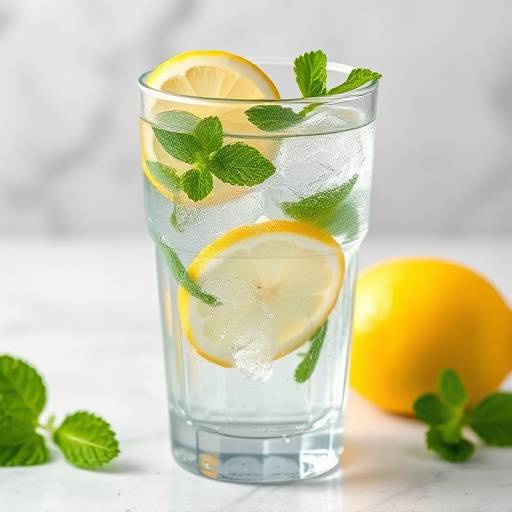
- Infuse Your Water: Add slices of lemon, lime, cucumber, or berries to your water for flavor.
- Drink Water with Meals: Make it a habit to drink a glass of water with each meal.
- Limit Sugary Drinks: Sugary drinks like soda and juice can actually dehydrate you. Opt for water, unsweetened tea, or infused water instead.
- Monitor Your Urine: The color of your urine can be an indicator of your hydration level. Aim for pale yellow urine. Dark yellow urine suggests dehydration.

The Consequences of Dehydration
Dehydration can lead to a variety of health problems, ranging from mild to severe. Mild dehydration can cause fatigue, headache, and dizziness. Severe dehydration can lead to heatstroke, kidney problems, and even death.
"Don't underestimate the power of hydration. It's a simple yet powerful tool for improving your overall health and well-being." - Michael Davis, Health and Wellness Coach, Vitality Compass
Hydration Needs for Different Groups
Certain groups have higher hydration needs than others. Athletes, pregnant women, breastfeeding mothers, and people with certain medical conditions may need to drink more water to stay adequately hydrated.
Hydration Recommendations Table
| Group | Recommended Daily Intake | Notes |
|---|---|---|
| Adults (General) | Approximately 15.5 cups (3.7 liters) for men and 11.5 cups (2.7 liters) for women | Includes fluids from all beverages and foods. |
| Athletes | Varies depending on intensity and duration of exercise; may need an additional 1-3 cups per hour of activity. | Electrolyte drinks may be beneficial during prolonged exercise. |
| Pregnant Women | Approximately 12 cups (2.9 liters) | Hydration is crucial for amniotic fluid and fetal development. |
| Breastfeeding Mothers | Approximately 13 cups (3.1 liters) | Helps support milk production and prevent dehydration. |
| Older Adults | Similar to general adult recommendations, but often experience decreased thirst sensation. | Encourage regular fluid intake, even without feeling thirsty. |
| Children | Varies by age; toddlers need about 4 cups, older children need 6-8 cups. | Monitor for signs of dehydration, especially during hot weather or physical activity. |
Beyond Water: Healthy Hydrating Drinks
While water is the best option for hydration, other healthy drinks can also contribute to your daily fluid intake. These include:
- Herbal Teas: Unsweetened herbal teas like chamomile, peppermint, and ginger tea are hydrating and offer additional health benefits.
- Coconut Water: Naturally rich in electrolytes, coconut water is a refreshing and hydrating option, especially after exercise.
- Unsweetened Iced Tea: A refreshing and hydrating alternative to sugary sodas.
- Broth: Clear broths, like chicken or vegetable broth, can provide fluids and electrolytes.
- Sparkling Water: A bubbly and calorie-free alternative to soda. Add a splash of fruit juice for flavor.
Vitality Compass is located at 789 Oak Street, Suite 200, Minneapolis, MN 55402. You can reach us at (612) 555-0123 or email us at [email protected].
© 2026 Vitality Compass. All rights reserved.